
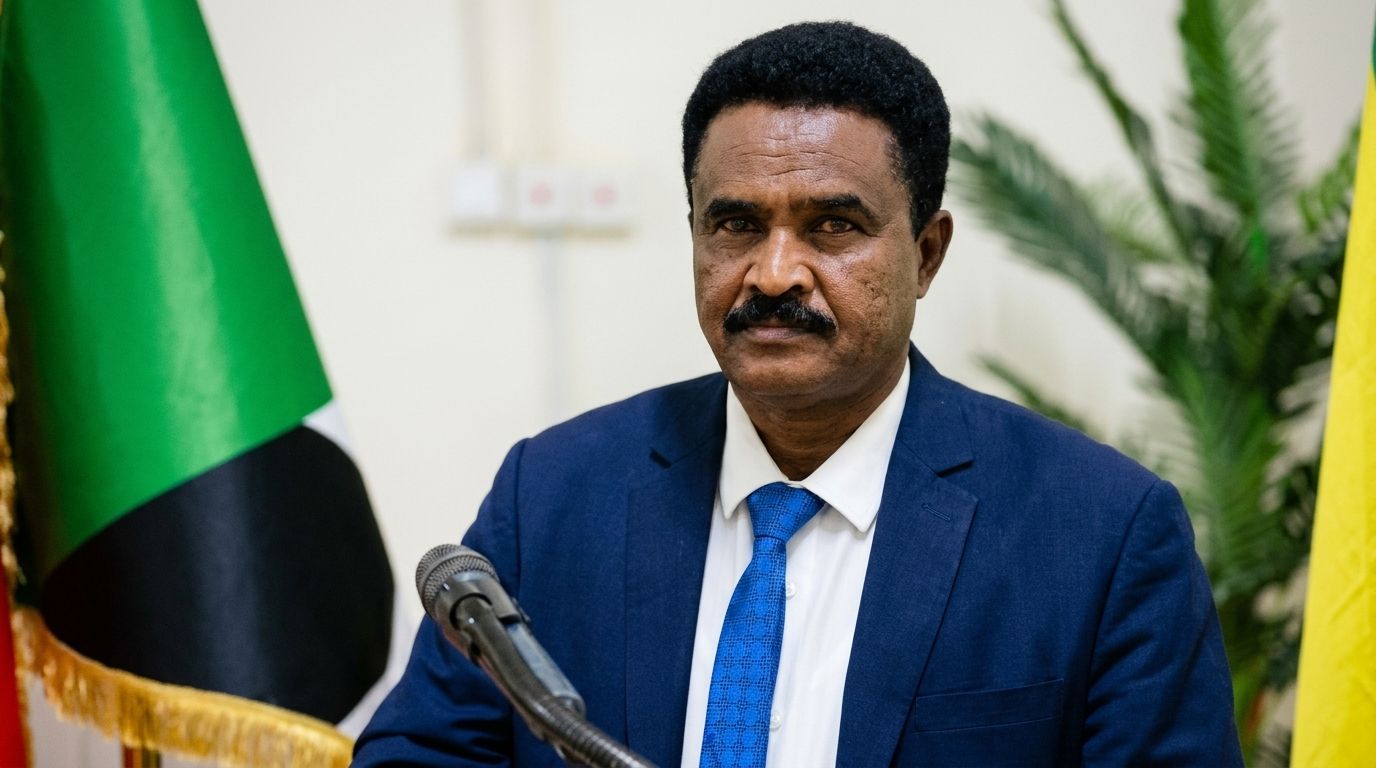
Qimam Civil Forces Chief Haroun Madikheir Says Alliance Is Moving to an "Initiative-Making" Phase
Madikheir said the alliance has moved beyond establishment and diagnosis to crafting practical proposals on stability, development and civic participation. He called on civil forces to unite behind the new phase.
Key points
- Qimam chief Haroun Madikheir says the alliance is entering a phase of practical initiatives
- Focus on proposals for stability, development and civic participation
- Calls for wider dialogue with political and social forces and unified civil action
The Head of the Civil Forces (Qimam), Haroun Madikheir, affirmed that the alliance has moved beyond the stages of political establishment and diagnosis, effectively entering a new phase centered on crafting practical initiatives and reshaping prevailing visions within the political and civil landscape. This announcement comes at a critical political juncture marked by polarization and stagnation on the national stage, placing civil forces before a real test to transition from merely diagnosing the crisis to possessing the tools to resolve it.
In statements regarding the latest developments in the work of the Civil Forces, Madikheir explained that moving into this phase comes in response to current challenges that demand innovative solutions beyond traditional frameworks. He noted that through this direction, "Qimam" seeks to offer alternative, actionable visions that contribute to addressing ongoing crises and opening new horizons for joint civil action. This trajectory reflects a growing awareness among the alliance’s leadership that continuing civil work through outdated mechanisms is no longer sufficient to keep pace with the complexities of the current stage or to fill the political and societal vacuum resulting from successive crises.
In the same context, the Head of the Civil Forces stressed that crafting initiatives represents the cornerstone of the alliance's strategy for the upcoming phase, noting that efforts are focused on formulating practical proposals that address issues of stability, development, and enhancing civic participation. According to Madikheir, these initiatives aim to shift civil actors from a posture of reaction to one of proactive action, initiative, and direct influence in shaping the future. This shift represents a qualitative leap in the philosophy of civil work, through which the alliance seeks to seize the initiative and position itself as an active partner in engineering solutions, rather than remaining a mere observer or commentator on unfolding events.
On a related note regarding shifting visions, Madikheir pointed out that the next phase requires a comprehensive review of traditional political thinking and operational mechanisms, alongside an openness to modern approaches that accommodate public aspirations and keep pace with evolving dynamics. He also underscored the importance of expanding dialogue and consultation with various forces and societal components to build common ground supporting these transformations. This call gains heightened significance amid the pressing need to break the political deadlock through unconventional approaches that transcend narrow calculations and establish a new social and political contract anchored in the supreme national interest.
The Head of the Civil Forces (Qimam) concluded his remarks by affirming that the alliance is moving forward in translating these orientations into tangible action programs in the coming period, calling upon civil and national forces to intensify efforts and unify capacities to ensure the success of this phase and fulfill public aspirations for stability and desired change. Ultimately, the alliance's ability to turn these visions into a tangible reality remains contingent upon the responsiveness of active forces to these calls, and Qimam’s success in building broad coalitions capable of exerting real influence on the course of events.