Burhan Renames Sanctioned Defense Industries System, a Move Critics Say Aims to Evade U.S. Sanctions
A provisional decree reportedly renames the Defense Industries System, which the US sanctioned in 2023, as the "National Industries Authority" and widens its powers. Sanctions experts say OFAC typically traces successor entities.
Key points
- Decree reportedly renames the US-sanctioned Defense Industries System as the "National Industries Authority"
- The US sanctioned the body in June 2023 and its director-general, Mirghani Idris Suleiman, in October 2024
- Sanctions experts say OFAC tracks successor entities, assets and individuals regardless of a name change
Al-Burhan Attempts to Evade U.S. Sanctions Over the Use of Prohibited Weapons
NSNA – Exclusive
In an overt attempt to circumvent the international financial and military blockade, Sudanese army commander Abdel Fattah al-Burhan issued a provisional constitutional decree renaming the notorious "Defense Industries System" to the "National Industries Authority"—a move observers say aims to whitewash the record of the army's economic and arms wing and evade U.S. sanctions imposed on it, as the Port Sudan government faces serious international accusations of using internationally prohibited chemical weapons against civilians.
Legal Engineering to Evade Accountability
Under Provisional Decree No. (8) of 2026, which amends the system's 2017 law, the word "Defense" was replaced with "National," granting the new entity "independent legal personality" as well as the capacity to enter into contracts and litigate in its own name. The amendment did not stop at cosmetic rebranding; it granted the new "Authority" sweeping powers, including overseeing military manufacturing, issuing licenses, managing the import and export of production inputs, and controlling defense research and development portfolios.
Legal and political readings of the decision indicate that al-Burhan's authority seeks to create a flexible civilian and investment facade that enables it to conclude arms deals and procure dual-use materials away from international scrutiny, while bypassing banking and trade restrictions that had paralyzed the system in its previous form.
A Record of Violations and Sanctions
This maneuver comes at the height of international isolation facing the Sudanese army leadership, as the U.S. Department of the Treasury had previously placed the "Defense Industries System" on sanctions lists on June 1, 2023, viewing it as a primary lifeline funding and fueling the conflict in Sudan and closely tied to extremist group networks. In October 2024, Washington expanded its sanctions to target the system's Director General, Mirghani Idris Suleiman, over his direct role in brokering dubious arms deals.
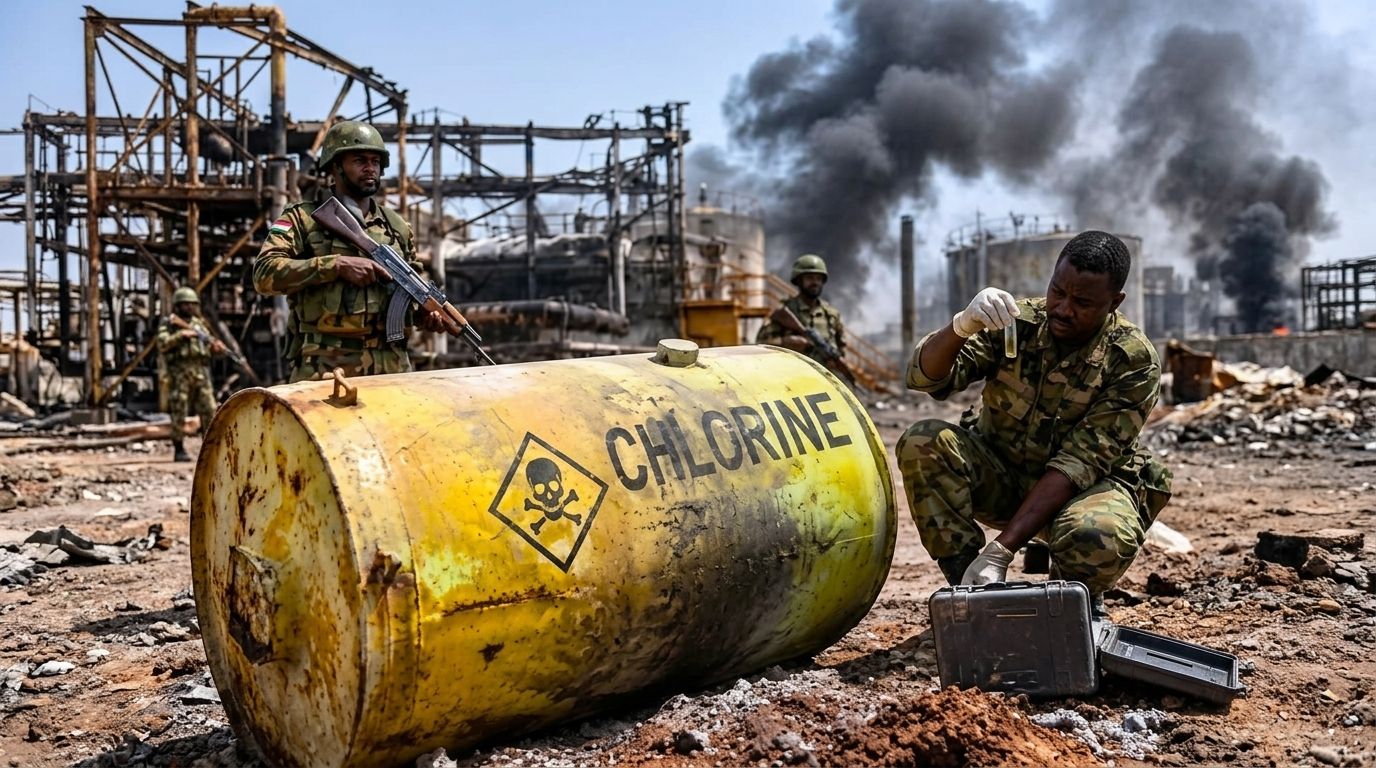
This administrative circumvention coincides with mounting human rights and international condemnations against al-Burhan's government, amid documented reports confirming the army's resort to using chemical weapons and toxic gases in populated areas—a factor that compounds the danger of granting this entity expanded powers in "research and development" and importing chemical and industrial materials under the cover of "National Industries."
A Legal Predicament Before International Oversight
Despite Port Sudan's bet that changing the name and restructuring could open loopholes in the sanctions wall, experts in international law and U.S. sanctions regimes stress that the mechanisms of the Office of Foreign Assets Control (OFAC) rely on the principle of "successor entity tracing" as well as assets and individuals, and are not fooled by swapping signs.
According to specialists, the continuation of the same leadership, facilities, and operational objectives leaves the "National Industries Authority" exposed to automatic and immediate inclusion on sanction lists, rendering al-Burhan's step merely a desperate attempt to buy time and push through urgent deals without offering real protection from international prosecution for war crimes and the use of prohibited weapons.