
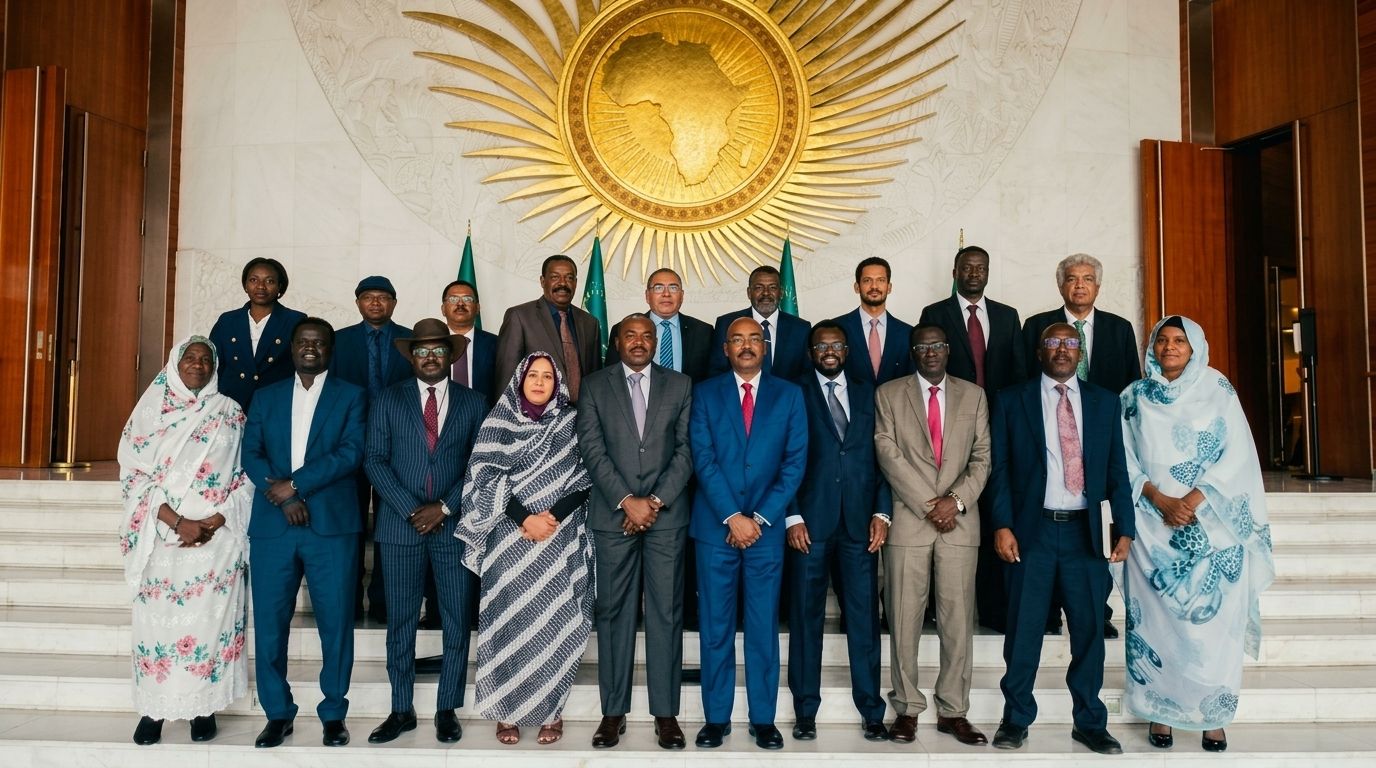
Tasis Concludes Talks with Quintet Mechanism, Says Neutral Mediation Is Key to Peace
Presidential Council member Al-Tahir Hajar said peace remains a non-negotiable priority. He said the delegation criticised what it called the negative roles of some of the Quintet's members, and that the door to dialogue stays open.
Key points
- Tasis delegation concludes its meetings with the Quintet Mechanism in Addis Ababa
- Al-Tahir Hajar: comprehensive peace is a top, non-negotiable priority
- Delegation criticised what it described as the negative stances of some Quintet members
The delegation of the Tasis Alliance concluded its meetings with the Quintet Mechanism, reaffirming its firm commitment to achieving a just and sustainable peace in the country, while stressing the necessity of neutrality and impartiality among mediating parties to ensure the success of any political process.
In a press statement following the conclusion of the talks, Presidential Council member Al-Tahir Hajar stated that the delegation reiterated to the Quintet Mechanism its principled stance, which regards reaching a comprehensive peace as a top, non-negotiable priority.
Hajar explained that the "Government of Peace" engages positively and responsibly with all platforms and initiatives aimed at ending the war, noting at the same time the alliance's adherence to its right to present objective observations regarding the nature of these platforms and the roles of their participants.
The Presidential Council member revealed that during the meetings, the delegation raised clear remarks concerning the performance of the Quintet Mechanism, criticizing what he described as the "negative stances and roles" of some of its members—an issue that raises legitimate questions about the extent of its commitment to the neutrality required for a successful political process.
Hajar emphasized that these reservations do not constitute an objection to the principle of peace, but rather stem from a keenness to create conditions that guarantee the seriousness and integrity of the negotiations, leading to genuine dialogue that addresses the root causes of the crisis rather than merely managing its repercussions.
Hajar concluded his statement by affirming that peace represents a strategic choice and a fundamental project for the Government of Peace, pointing out that the doors of dialogue will remain open to any serious initiative that ensures fairness, the effective participation of all parties, and lays the foundation for a state governed by justice, stability, and equal citizenship.