Abu Dhabi court hands life sentences in illegal arms trafficking and money laundering case
The Abu Dhabi Federal Court of Appeal convicted a network it said supplied weapons, ammunition and military equipment to the Sudanese Armed Forces through companies, bank transfers and cash payments, handing life sentences to eight defendants, fines and confiscations in the money laundering charges, penalties against s
Abu Dhabi Federal Court of Appeal Concludes Illegal Arms Trafficking and Money Laundering Trial, Handing Down Life Sentences!
The Abu Dhabi Federal Court of Appeal has concluded the case involving an illicit network for arms and ammunition trafficking and money laundering, convicting a number of defendants in a case that exposed a network where arms deals intertwined with commercial companies, bank transfers, and cash sums to supply weapons, ammunition, and military equipment to the Sudanese Armed Forces, while concealing the true origins, destinations, and sources of the funds.
The court sentenced Rashid Omar Abdul Qader Ali, Salah Abdullah Mohammed Mohammed Saleh (known as Salah Gosh), Ahmed Abdullah (known as Abdullah Khalafallah), Ahmed Rabie Sayed Ahmed, Mohammed Fath Al-Beik, Yasser Abdul Rahman Al-Atta, Othman Al-Zubair, and Maher Abdul Jalil to life imprisonment on the charges brought against them. It also ordered the confiscation of the seized ammunition, phones, and communication devices used in the crime, as well as the deportation of the convicts from the country upon serving their sentences.
Additionally, the court sentenced Rashid Omar Abdul Qader Ali, Salah Abdullah Mohammed Mohammed Saleh (known as Salah Gosh), Ahmed Abdullah (known as Abdullah Khalafallah), Maher Abdul Jalil Mohammed Abdul Jalil, Othman Babiker, Khaled Youssef Mukhtar, and Ahmed Khalafallah Abdullah to three years in prison each. It fined each of the individuals subject to the fine 1 million AED for the crime of money laundering, ordered the confiscation of 1,545,000 AED from the seized funds, and mandated their deportation from the country upon completing their sentences.
The court also penalized the companies "Rashid Omar Brokerage," "Portex Trade Limited," "Abu Lara Electronics Trading," "Yellow Sand Trading," "Warda Al-Masarra Trading," and "Sudamina Free Zone" with a fine of 1 million AED each for money laundering. It ordered the cancellation of their licenses and registrations, along with the confiscation of the seized funds derived from the money laundering crime.
Meanwhile, the court acquitted Mubarak Al-Sheikh and Mosab Awad Al-Karim Hassan of the charges against them. Two Deals for Supplying Weapons, Military Equipment, and Ammunition. The court's reasoning revealed that the defendants traded in weapons, ammunition, and military equipment without a license or permit from the competent authority. They brought "Kalashnikov" (PKT / Kalashnikov-type) ammunition into the country, preparing to airlift it to Port Sudan after falsely declaring the aircraft's cargo as medical supplies and equipment. Payments for the military equipment were settled inside the country via bank transfers, alongside cash amounts paid as part of the transaction values. The court detailed the roles played by the defendants in executing the arms deals. Foremost among them was Rashid Omar Abdul Qader Ali, who acted as a central axis in brokering, executing, and coordinating the deals. Through his company, he managed the procedures for supplying weapons, ammunition, and military equipment to the Sudanese Army and received funds allocated for their payment within the country, including approximately 8 million AED received in cash from Maher Abdul Jalil as part of one of the transactions.
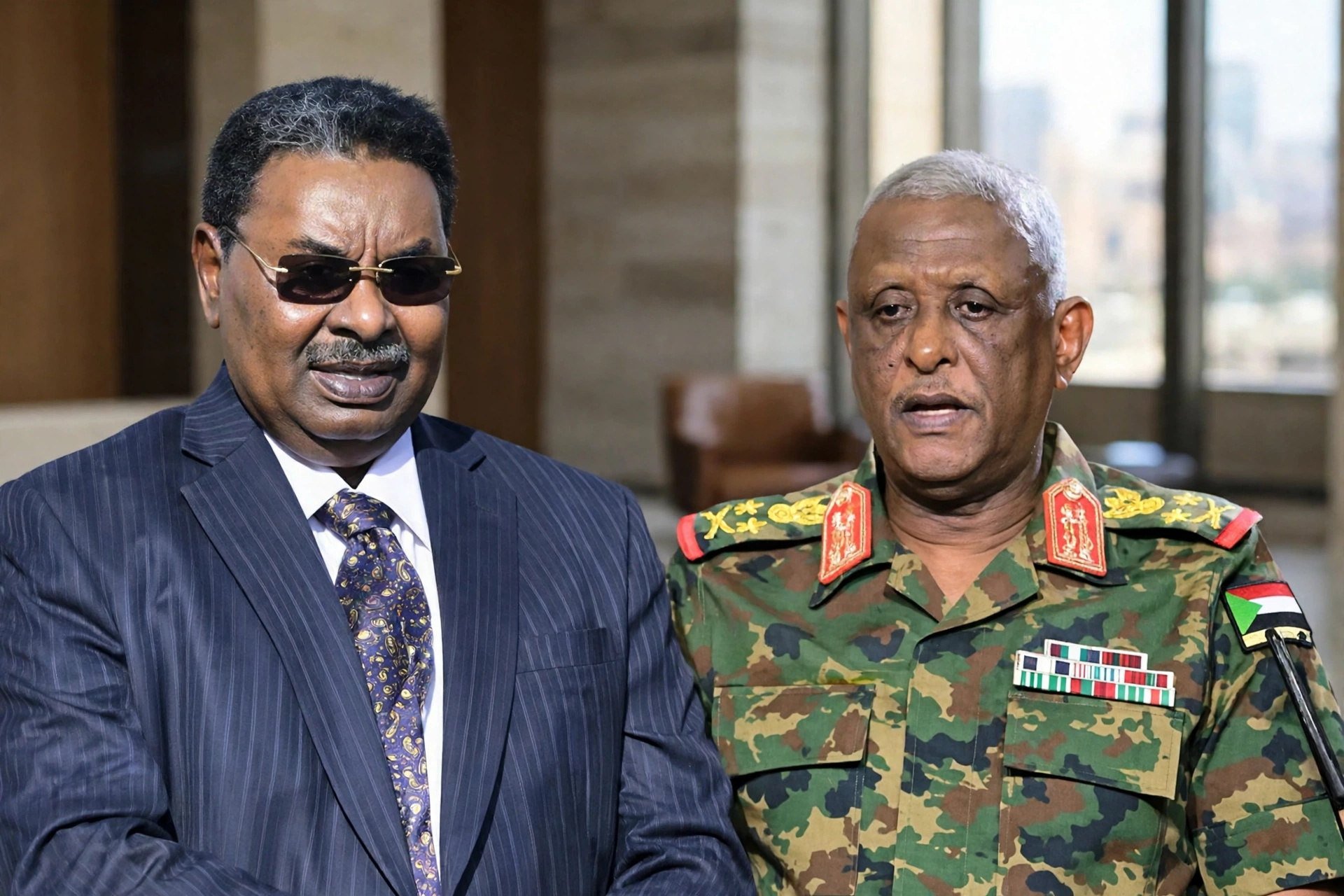
The court stated that Yasser Al-Atta, Assistant Commander-in-Chief of the Sudanese Armed Forces and official responsible for procurement, requested the purchase of weapons and military equipment and initiated procedures to obtain landing clearance for the aircraft at Port Sudan Airport, knowing that the deal was concluded on UAE territory.
It was established that Othman Al-Zubair, the financial official of the Sudanese Army responsible for tracking procurement needs, auditing shipments, and paying suppliers, handled the disbursement of funds due for the arms, ammunition, and military equipment deals, handing them over to Maher Abdul Jalil via the "Hawala Dar" system, despite knowing that the defendants lacked a license to trade in weapons within the country.
As for Maher Abdul Jalil, the judgment details revealed that he acted as an intermediary, the financial arm in the deals, and the link between the operators and Othman Al-Zubair. He managed the flow of funds through bank accounts and affiliated companies and handed Rashid Omar approximately 8 million AED in cash within the country as part of an arms deal. The court also established that Khaled Youssef Mukhtar, former head of office for Salah Gosh at the Sudanese Intelligence Service, received the commission allocated to Salah Gosh from the deal.
The ruling further showed that Ahmed Rabie Sayed Ahmed acted as an intermediary to facilitate Rashid Omar and his company in obtaining approvals from Sudanese army leadership to supply weapons and military equipment. He participated in meetings with Salah Gosh, Abdullah Khalafallah, and Rashid Omar at Salah Gosh’s residence to follow up on the implementation of the first deal and informed Rashid Omar of the Armaments Committee's decision regarding the second deal. The court concluded that his intervention was intended to achieve financial gain.
It was established that Mohammed Fath Al-Beik, former advisor to the Sudanese Minister of Finance, connected Rashid Omar with Othman Al-Zubair and Ahmed Rabie, assisted in accrediting Rashid Omar’s company—despite not operating in the arms supply sector—as a supplier to the Sudanese Army, and received 146,000 AED for his role in the first deal.
The judgment details also revealed the role of Abdullah Khalafallah in the arms deal, his participation in meetings held with Salah Gosh, Rashid Omar, and Ahmed Rabie to follow up on the first deal, and his affiliation with "Portex Trade Limited," which was used for financial transactions related to the deal. Furthermore, it was proven that his brother, Ahmed Khalafallah, received 1,850,000 AED from the value of the first deal, knowing that neither he, his brother, nor the company held a license or permit to trade in military equipment within the country.
Arms Deals and Money Laundering Endangered State Interests The court concluded that the convicts participated in an integrated scheme for the illicit trafficking of weapons, ammunition, and military equipment. Forged documents, companies, and bank accounts inside the country were used to channel funds for the arms deals, conceal their sources and destinations, and launder the proceeds generated from those activities. The court noted that the arms deals took place amidst the ongoing armed conflict in Sudan and on behalf of one of its parties, and that utilizing the country's territory and financial system for such activities would undermine the UAE’s relations with the international community and jeopardize its interests, in light of relevant international arms embargoes. The court considered the actions related to the arms deals, forgery, and use of forged documents as part of a single criminal enterprise, with the money laundering offense standing independently.
Counselor Dr. Hamad Saif Al-Shamsi, the Attorney General, had ordered the referral of the defendants to trial after investigations, technical evidence, and financial data uncovered an organized network for illicit trafficking in weapons, ammunition, and military equipment, alongside money laundering linked to the arms deals via companies and bank accounts inside the country.