
Prime Minister Meets International Relief Organisation to Expand Humanitarian Response
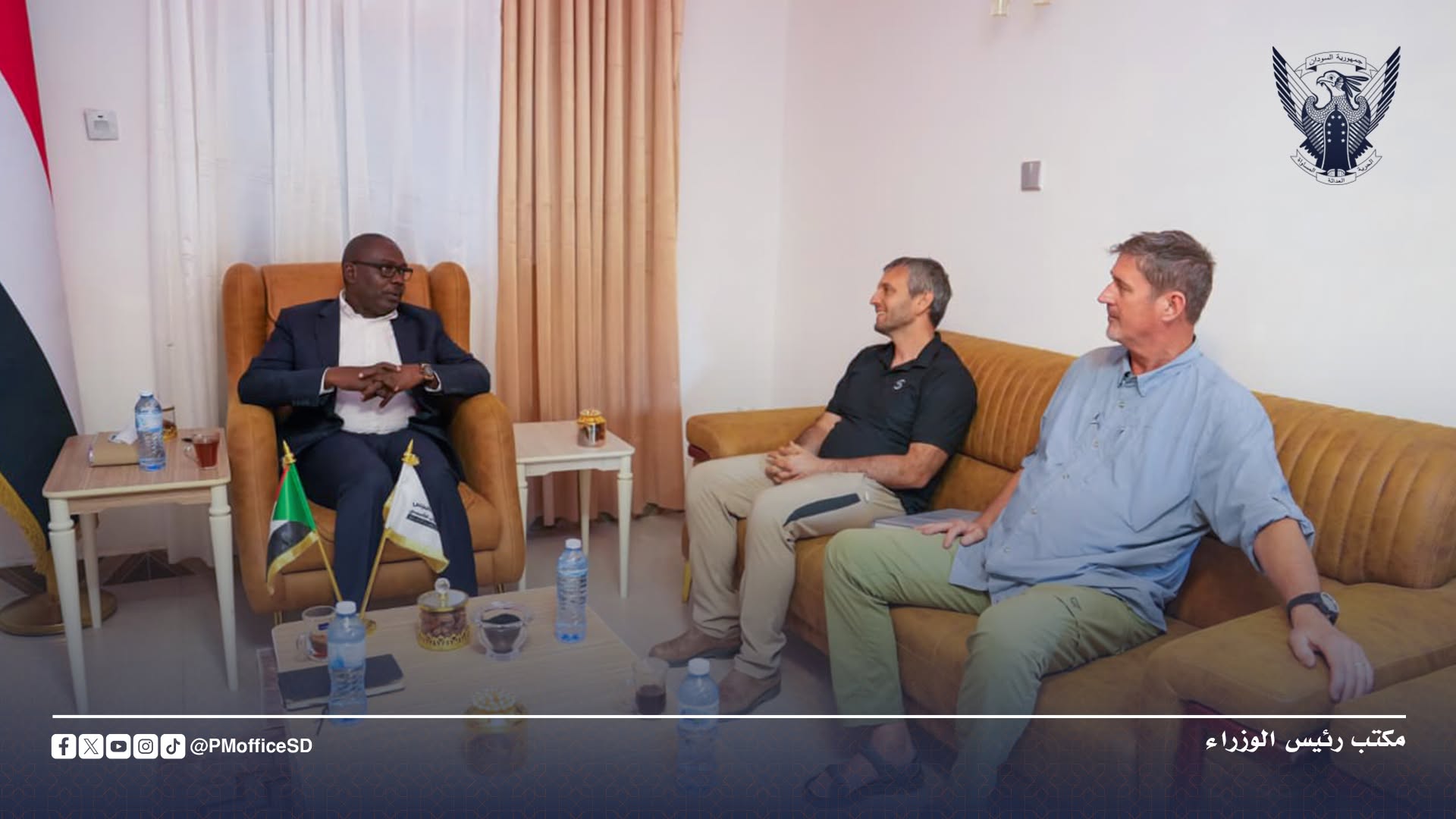
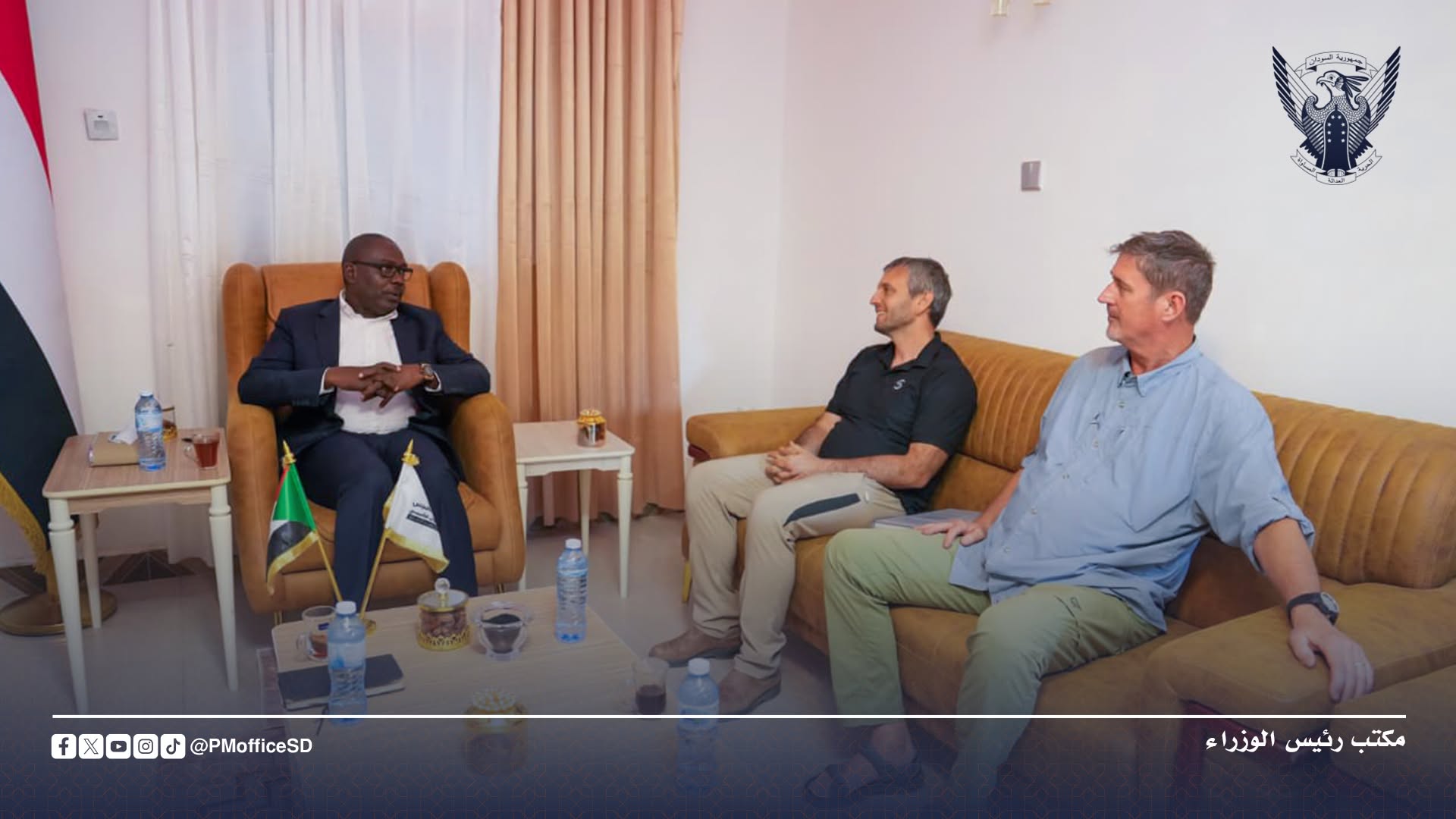
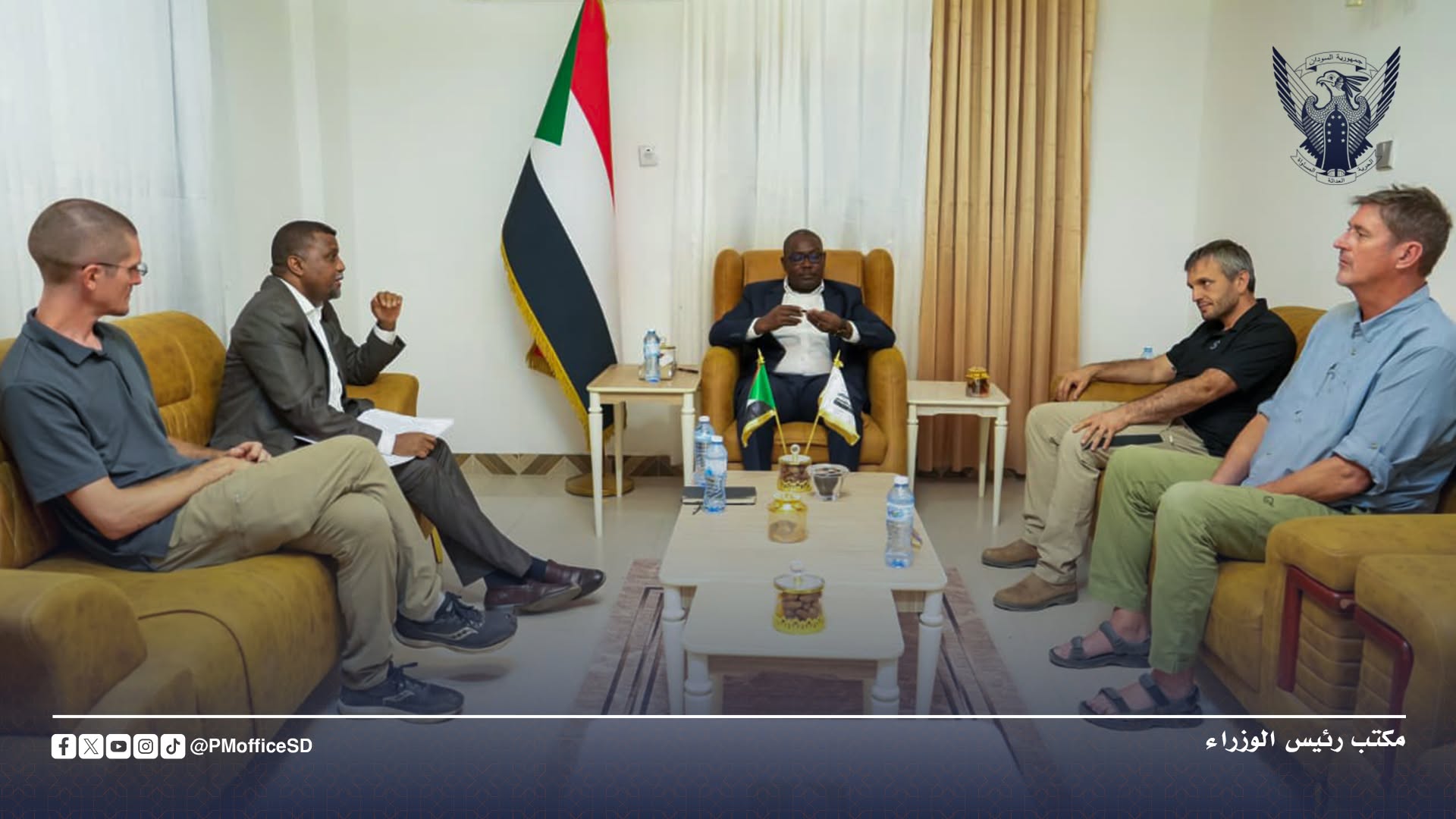
In a meeting in Nyala, Prime Minister Al-Taishi received David Phillips, the global director of the “Samarthens Peace” international organisation, to discuss worsening food, water and shelter needs and ways to expand relief and health interventions in Peace Government areas.
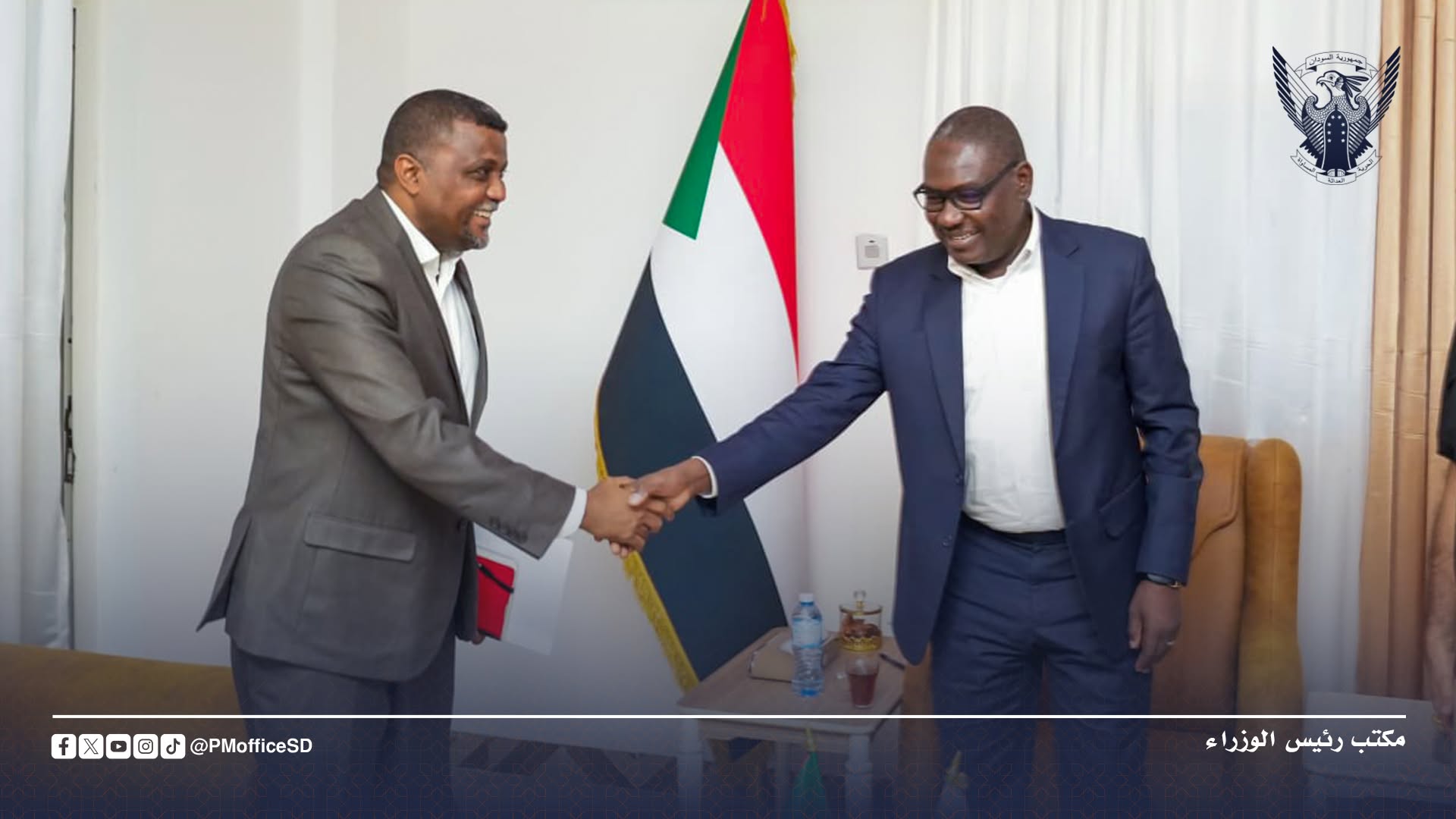
The Prime Minister has discussed expanding the humanitarian response and ways of implementing relief and health interventions with the global leadership of the “Samarthens Peace” international organisation, the Media Office in Nyala reported. The Prime Minister received in his office David Phillips, the organisation’s global director, and his accompanying delegation, in the presence of Engineer Aziz al-Safi, head of the National Humanitarian Organisation, to address worsening humanitarian needs and the risks of food, water and shelter shortages, and ways to expand relief and health interventions in Peace Government areas.
The Prime Minister welcomed the delegation, saying the Peace Government has made the humanitarian file a top priority, and warned that the failure of the current agricultural season and shortages of water, food and shelter threaten the lives of millions, and that a humanitarian catastrophe could return on the scale of the drought waves Sudan witnessed in the 1980s. He called on the organisation’s leadership to double its efforts and intensify communication with international organisations and funding bodies to mobilise the necessary resources and urgently close the humanitarian gap, to avoid the situation worsening to catastrophic levels.
He also pointed to signs of stability and daily life returning in several Peace Government areas despite major challenges in providing basic services such as health and education, and said the administrative capital, Nyala, has seen the return of more than four million people in one year, along with the opening of more than 40 local markets and more than 300 schools, with preparations under way to open a number of universities in the coming period. Engineer Aziz al-Safi praised the organisation’s humanitarian role in providing life-saving services in various parts of Sudan, especially in the Nuba Mountains region, and welcomed its return to Darfur after its offices were closed for more than ten years.
He confirmed the Peace Government’s readiness to remove administrative and logistical obstacles facing the organisation’s work and that of other humanitarian organisations, to expand interventions and reach the most vulnerable groups. Phillips thanked the Prime Minister for the warm reception, saying his week-long visit will include a number of states to assess humanitarian needs and intervention priorities on site. The organisation confirmed its return to work, despite a limited budget, focusing on the most urgent needs in relief, health and water and reaching the neediest populations. Al-Safi stressed the need for new and comprehensive field surveys to identify the needs of those affected by the April 15 war, saying their number exceeds seven million people in Peace Government areas, in addition to local residents who have lost their savings and sources of income because of the war.
A draft proposal for a Humanitarian Issues Conference, which the Peace Government intends to organise at the end of next November to mobilise resources and coordinate efforts against hunger risks, was presented at the meeting, along with a copy of the Peace Government’s appeal to the United Nations and international organisations and humanitarian actors, demanding urgent intervention to address expected food, water and shelter shortages and to limit the repercussions of the drought looming on the horizon.
At the end of the meeting, the Prime Minister praised the organisation’s leadership and directed the head of the National Humanitarian Organisation to work on resolving the challenges hindering its activities, again calling on the United Nations and international organisations to reopen their offices and expand humanitarian operations in Peace Government areas, and to ensure aid reaches all those affected by the war without delay.